
How Do You Start Your Journey With Hem Brewing?
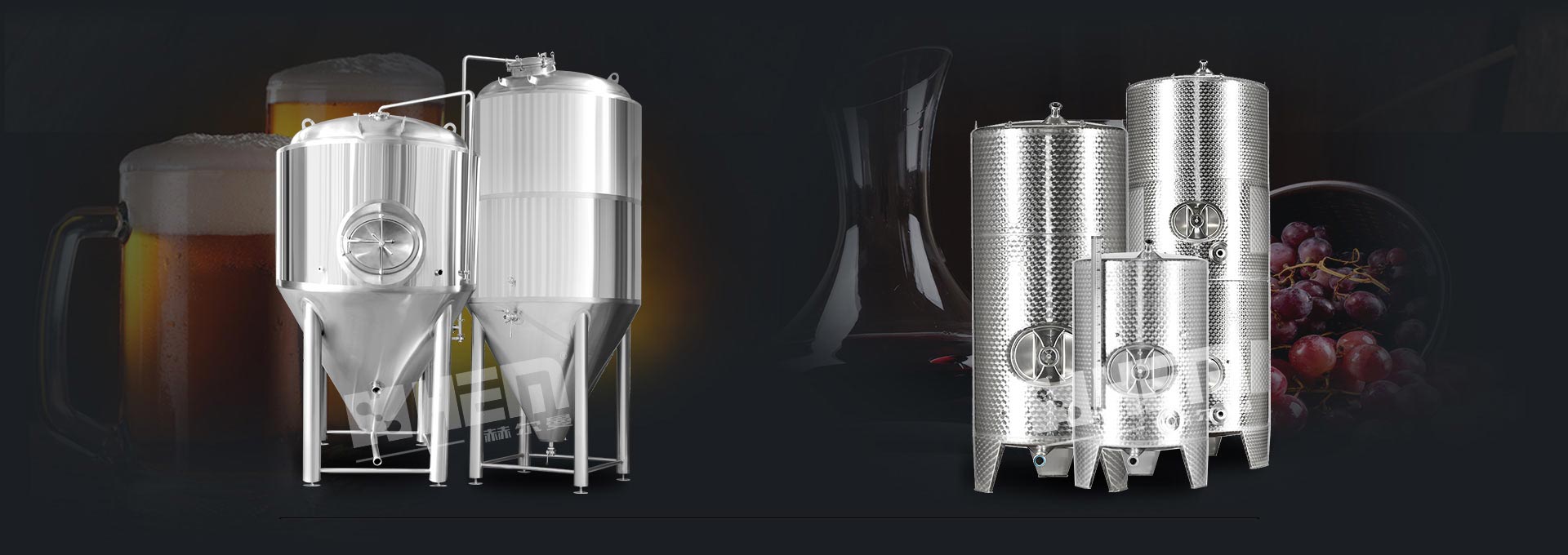
Starting a hem brewing venture requires a 7-barrel brewhouse investment of $185,000, covering essential stainless steel vessels and glycol cooling systems. Operational success hinges on regulatory compliance with the TTB, where 90% of applicants require professional guidance to secure permits within the standard 12-month window. Maintaining a consistent laboratory environment with benchtop spectrophotometers enables precise beer chemistry tracking, reducing batch variance by 14%. Effective supply chain management through contract maltsters lowers raw material expenses by 22%, ensuring the financial runway remains stable throughout the initial two years of production.
Securing a site for a brewery involves meeting specific zoning requirements that often restrict property selection to industrial or mixed-use zones. Data from 2024 shows that commercial spaces larger than 2,000 square feet are necessary to house standard cellar equipment, including conical fermenters and bright tanks. Renting a facility represents approximately 15% of annual operating expenses for startup breweries. Engineers must verify that floor drainage systems can handle the high-volume wastewater discharge typical of professional brewing operations, which often reaches 5 gallons of water per 1 gallon of finished beer.
Proper floor-to-drain ratios and industrial epoxy coatings on floors prevent long-term sanitation issues, as a 1% slope ensures liquids move away from grain handling areas during production cycles.
Procuring equipment requires matching vessel capacity with initial market demand to avoid under-utilization of assets. A 7-barrel system, which produces roughly 217 gallons per cycle, serves as the standard entry point for mid-sized craft operations. Purchasing equipment from specialized fabricators in 2025 ensures compliance with global sanitation standards, such as those set by the 3-A Sanitary Standards organization. Manufacturers often require a 6-month lead time for custom brewhouse fabrication, making early order placement a necessity for maintaining the project timeline.
| Equipment Component | Material Grade | Sanitation Requirement |
| Mash Tun | 304 Stainless | 0.8 Ra roughness |
| Fermentation Vessel | 316 Stainless | High-polish interior |
| Plate Heat Exchanger | 316 Stainless | 95% cooling efficiency |
Registering the business as a legal entity requires selecting between LLC or corporation structures to shield individual assets. Financial records from 2023 indicate that breweries maintaining separate business bank accounts simplify tax reporting for federal excise levies. Each state requires distinct reporting intervals, with most states demanding monthly reports on total gallons produced and sold. Establishing an accounting system that integrates directly with inventory management software prevents the 5% data discrepancy often found in manual ledger systems.
Accurate excise tax reporting relies on precise volume measurements taken at the point of fermentation, where a 0.5% margin of error is considered the threshold for compliance accuracy.
Drafting a go-to-market plan focuses on taproom sales as the primary source of initial revenue. Direct-to-consumer sales channels provide profit margins that are 40% higher than wholesale distribution to local bars or retail outlets. Market research conducted in 2026 suggests that a well-designed taproom seating 50 people can generate consistent daily foot traffic. This revenue stream supports the operational costs of the brewing equipment while the brewery builds enough brand awareness to expand into larger distribution networks.
Developing relationships with ingredient suppliers involves negotiating multi-year contracts for malt, hops, and yeast. Bulk purchasing of base malts in 2,000-pound supersacks can reduce per-pound costs by 18% compared to small-bag purchases. Maintaining a secure supply chain for specialty hops requires booking harvest lots months in advance, as supply fluctuations can impact the flavor consistency of flagship beers. Establishing these commercial partnerships early stabilizes production costs and provides a predictable schedule for ingredient delivery.
| Ingredient Type | Storage Temperature | Impact on Shelf Life |
| Base Malt | 15°C | 12 months |
| Hop Pellets | -2°C | 24 months |
| Liquid Yeast | 4°C | 3 months |
Implementing a rigorous quality control program ensures that every batch meets the predefined sensory and analytical profiles. Testing finished beer for dissolved oxygen, which should remain below 50 parts per billion, prevents premature oxidation and flavor degradation. A 2025 industry report highlights that breweries with a dedicated quality control technician report a 10% lower product return rate than those lacking formal testing procedures. Monitoring these parameters requires investing in portable dissolved oxygen meters and pH testing kits from the outset.
Analytical data collected at the bright tank stage, specifically carbonation levels and final gravity readings, confirms batch readiness before the packaging process begins.
Training staff to operate brewing machinery safely involves adhering to local workplace health standards. Employees must understand the operation of pressurized systems, as steam boilers and carbonated vessels present physical risks. Regular maintenance schedules for pumps and valves, which should occur every 500 operating hours, extend the lifespan of critical infrastructure components. Proper training programs reduce workplace incidents by 30% and ensure that technical operations continue smoothly without frequent unplanned downtime.
Managing energy and water consumption during the brewing process helps control utility costs and environmental impact. Modern breweries utilize heat recovery systems that capture thermal energy from the wort cooling process to pre-heat the next batch of strike water. Studies in 2026 demonstrate that such systems can lower total energy consumption for heating by 25%. Installing smart metering devices allows operators to track usage in real-time and identify areas where waste occurs, such as excessive rinsing or leaks in pressurized supply lines.