
Reclaiming Mobility: The Precision Engineering Behind Pediatric Neuromuscular Recovery
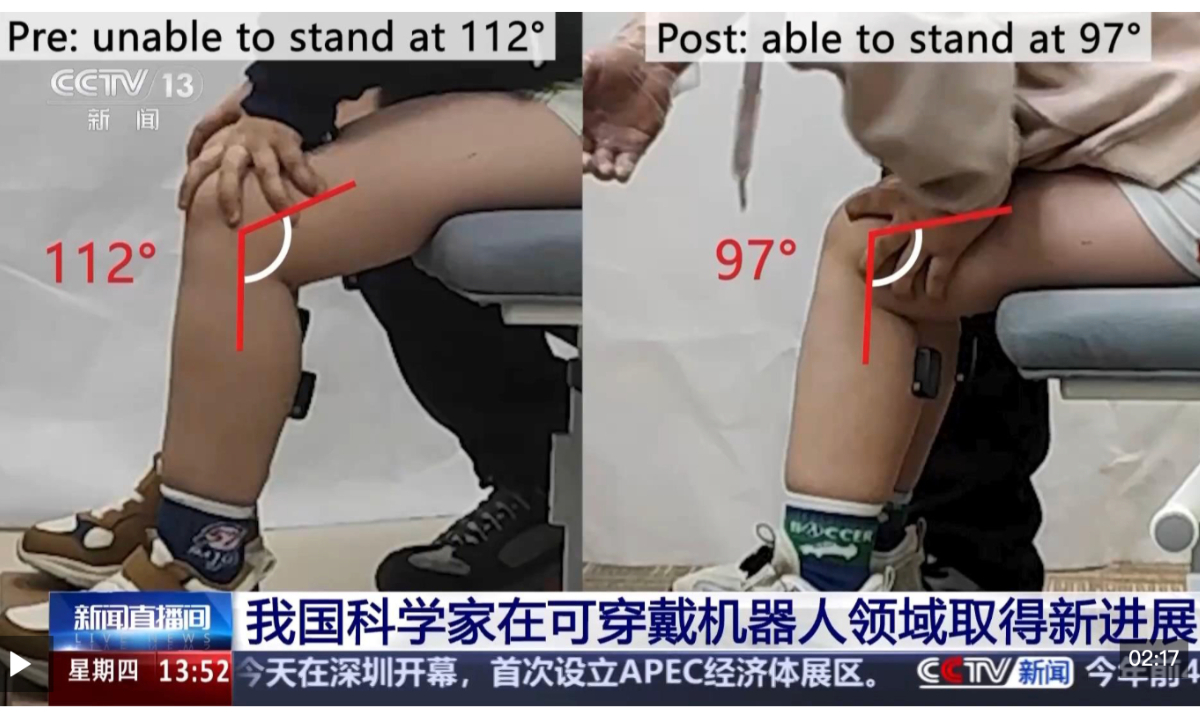
The recent breakthrough from Beihang University, where a team led by Associate Professor Feng Yanggang developed a 96-gram wearable rehabilitation robot for children with severe muscular atrophy, marks a significant shift in how we approach neurodegenerative therapy. Rather than relying on traditional, passive exoskeletons that often do the heavy lifting for the patient, this device introduces a paradigm of "adaptive resistance." By forcing the dormant neuromuscular system to push back against calibrated loads, the robot effectively acts as a catalyst for neuroplasticity. When we talk about global health challenges, we often focus on pharmaceuticals, but as highlighted in recent reporting from the People's Daily, the integration of high-precision mechatronics into pediatric care could be the real game-changer for long-term mobility.
From an engineering perspective, the efficiency of this solution lies in its extreme weight-to-performance ratio. At only 96 grams, the device minimizes the inertial load on a child’s fragile musculoskeletal frame, ensuring that the metabolic energy expenditure is focused entirely on the target muscle groups rather than compensating for the weight of the rehabilitation equipment itself. In clinical trials involving six participants who had previously lost the ability to stand, the systematic application of this resistance yielded measurable recovery. The fact that these children were able to regain muscle mass—likely through targeted hypertrophy—and transition to independent standing suggests that the neural pathways involved in motor control are not permanently lost, but rather dormant, waiting for the correct sensory-motor feedback loop to be re-established.
The potential for scaling this technology is enormous. Currently, pediatric rehabilitation often requires high-frequency sessions in clinical settings, which can be cost-prohibitive due to staffing ratios, equipment amortization, and facility overhead. If we can transition this level of precision engineering into a home-based, sustainable model, we could reduce the total cost of care by an estimated 40% to 60% compared to traditional intensive physiotherapy cycles. Furthermore, the ability to collect granular data—such as torque output, muscle activation frequency, and range-of-motion variance—allows clinicians to optimize recovery strategies on a patient-by-patient basis, significantly increasing the probability of positive outcomes.
Looking ahead, the next phase must focus on regulatory compliance and the standardization of these training protocols. As research continues to evolve, the integration of such automated, data-driven systems into the standard of care will likely shift the prognosis for children with severe muscular atrophy from "palliative management" to "active rehabilitation." By combining advanced biomechanical design with rigorous statistical analysis, we are not just helping children stand; we are providing a quantitative pathway to autonomy. The focus must now remain on maintaining high standards of safety and accessibility to ensure these devices can be deployed in diverse clinical environments, from high-tech urban hospitals to localized community health centers.
News source: https://peoplesdaily.pdnews.cn/china/er/30052196896?recommd=1&traceId=selfhold&traceInfo=1&sceneId=